

- Tag: Shoe Guides
What Is Ultra Running?
It definitely sounds intense—but what is ultra running, exactly?
You’ve heard of a marathon. You might even know the number: 26.2. That’s the exact distance (in miles) of a marathon, which became standardized during the revival of the Olympics in the early 20th century.
An ultramarathon is any race longer than a normal marathon. Typical ultra races are 50 kilometers (about 32 miles), 50 miles, 100K, 100 miles—you get the idea. Some of them take multiple days. Also, ultra races tend to be on trails, while a typical marathon happens on pavement. But road ultras exist, as do ultra races that mix terrains. (Trail marathons are also common).
In the world of long distance running, ultra races are a different beast. The gear, training, proper footstrike style, and time investment are all more demanding, even compared to a marathon. But this shouldn’t intimidate you from heading out on the trails or the roads if you’re just getting started.

Ultra vs. Trail Running: What’s the Difference?
Here’s something to clear up. Even though plenty of ultra races take place on trails, ultra running is not what the vast majority of trail running actually looks like. Trail running can happen at any distance, from 10-minute outings to 10-mile workouts and 10-day races. “Trail running” happens on trails. That’s the only thing that makes it trail running. Distance has nothing to do with it.
On the other hand, when you think of ultra running, you might imagine a professional runner cruising on a windswept ridgeline. Okay, good for them! But while some ultras take place on trails, not all of them do.
And there are trail races around the world every weekend, and many of them are 5Ks, 10Ks, and the like. Ultra running is just one aspect in the big world of trail running.
How to Train for Ultra Running
If you’re wondering how to train for ultra running, first it’s important to know how to run with healthy stride habits and form. Altra’s men’s cross training shoes or women’s training shoes can help with this process. When you have a good comfort level running moderate distances, it wouldn’t hurt to try a regular marathon, and a standard marathon training program will provide a great base to begin your ultra running training. Check out our tips for half marathon training.
Once your base is built, and you can bust out some heavy mileage without breaking a sweat, the key to ultra running training is the long runs. Usually done on weekends, these workouts are not about speed, but distance. The key is to break new records on the number of miles you can cover, and it doesn’t matter how fast. But while a standard marathon program has one long run per week, for ultra distances, you may have to do many of your long runs back-to-back. Still want to try it?
These long runs—which for ultra runners should be longer runs than marathons—require careful planning, and sometimes teams of people to help you out. You need hydration and nutrition throughout the day to complete these workouts. So it’s important to have the fuel that you need on the go.
Rest and recovery is just as important as exertion. Your program needs breaks, during which you don’t run or you do light, low mileage for a whole week. And in addition to your physical preparation, the mental side matters too. You’ll be challenged, and should have a plan for how you handle the low points on an emotional level.
It sounds daunting, but almost anyone can run ultra distances. Seriously. If you start slowly, and improve methodically, over time there’s nearly no distance that’s out of reach. Adapted by Charlie Hope D’Anieri from RIDC’s Opening the Path to Trail Running Toolkit by Allison Torres Burtka.
Choosing the Right Shoes for Ultra Runs
So now you know the answer to, what is ultra running? There’s another important question you need to be asking: what shoes should you wear?
Ultra running shoes need to have specific attributes to help you go the distance. First, they have to be durable enough to withstand heavy use. To keep you upright on long races, it’s critical that they offer stability. The fit should be right, or the massive repetition of movement will cause blisters or worse, injuries. And because you’re racing for so long, they need to have adequate cushioning, though just how much is more of a personal preference.
If you’re racing on roads, you won’t have to prioritize traction, and might want a high cushion. But if you plan to do your ultras on trails, you’ll need trail-specific shoes with the right grip and stability.
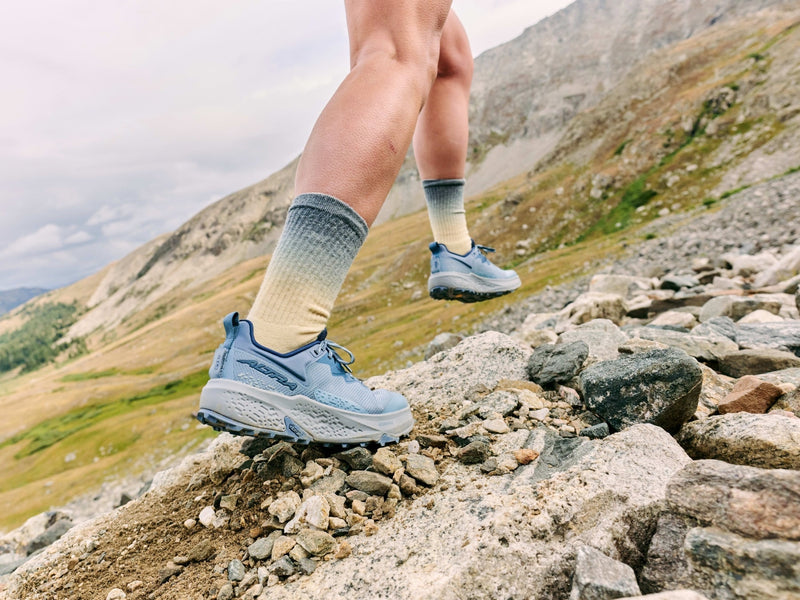
The Altra Lone Peak family is a great shoe for most long-distance trail runners. All of our trail running shoes for men and women are built with grip, durability, and longevity in mind. The Altra Olympus family are some of the best cushioned running shoes in our catalog, and can handle even the worst conditions, which can be great for ultra-long distances.
Altra’s trail running shoes let your toes splay in their natural shape, which helps you stride the way that you were meant to. This wide toe box is helpful for any runner, but especially for trail runners going long distances.
The Rewards and Challenges of Ultra Running
After people commit themselves to ultra running, often, their lives are never the same. Overcoming a challenge as impressive as a super-long distance can change your own sense of yourself and what you’re capable of. You’ll be pushed, physically and mentally, in brand new ways. And you’ll have to plan for the long term to take care of yourself, treat and address injury, and execute many-mile workouts that are projects in and of themselves.
Today, you might be asking, “What is ultra running?” But in a few years, you might be one of the people saying, “Ultra running changed my life.”
Even if it sounds crazy, it could be you. The key is to start small and stay in a mindset that helps you do new, difficult things. Because you can.